
Manufacturing & Quality
Steel-Frame vs Wood-Frame Furniture: Which Lasts Longer in Indian Offices?
5 June 2026 · 6 min read
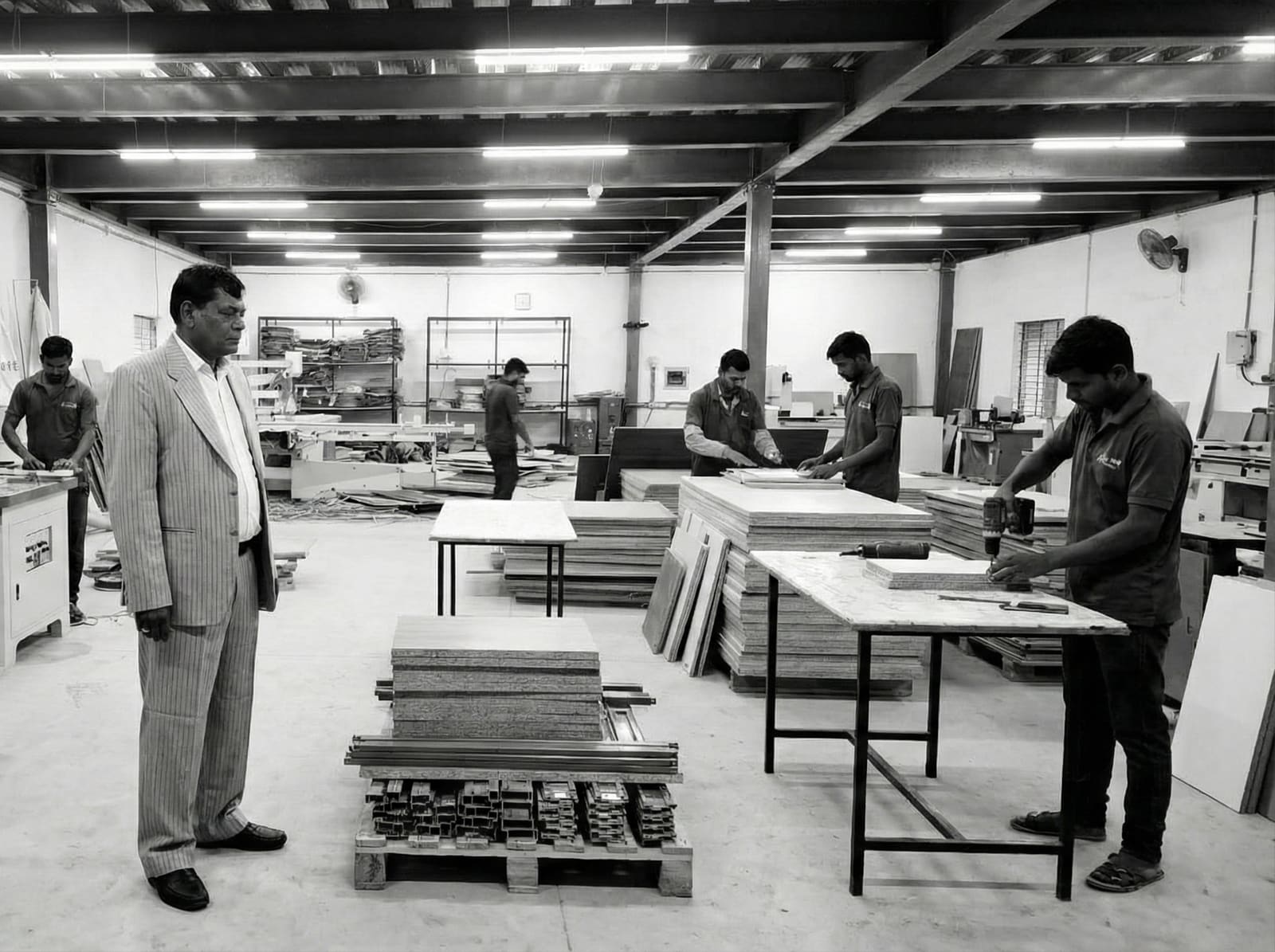
Every few years a client asks us whether solid wood furniture is inherently "better quality" than steel-frame furniture, usually because wood carries a premium, heirloom association from home furniture. In a commercial or institutional setting — where furniture is used eight to twelve hours a day, moved between rooms, and shared across shifts — the honest answer is that the material best suited to the environment matters far more than the material with the nicer reputation.
Humidity and warping
Most of South India runs through several months of high humidity every year. Solid wood absorbs and releases moisture with the season, which over years causes drawers to stick, joints to loosen, and tabletops to develop a slight bow. Engineered steel frames are dimensionally stable across humidity swings — a desk frame welded and powder-coated correctly holds its geometry in July monsoon exactly as it does in January.
Termites and pests
This is the argument that ends most debates quickly once it's raised directly: termite damage in wood furniture is a recurring, expensive problem across ground-floor and older commercial buildings in India, and it's essentially invisible until a leg gives way. Steel frames simply remove this risk category entirely.
Load frequency and daily wear
- A CNC-cut and welded steel frame distributes load through a continuous structural path, rather than through glued or doweled joints that loosen with repeated stress
- Steel tolerates repeated relocation — dragging, stacking, transport between floors — far better than wood joinery, which weakens with each move
- Powder-coated steel resists scuffing and scratching from daily contact (bags, shoes, trolley wheels) better than most lacquered wood finishes
- Steel frames typically carry a significantly higher load rating relative to their weight, useful for institutional benches seeing constant turnover
Where wood still wins
None of this makes wood the wrong choice everywhere. Executive cabin desks, reception counters and boardroom tables benefit from a warm wood or veneer worktop for the visual and tactile quality it brings to a client-facing space — which is exactly why we pair CNC-precision steel frames with wood or laminate worktops on our executive and workspace ranges, rather than treating it as an either/or choice. The frame carries the structural burden; the worktop carries the finish.
If you're specifying furniture for a new office, school or hospital and aren't sure which combination fits your budget and environment, send us your floor plan and use case — we'll recommend a frame-and-finish combination based on thirty years of watching what actually holds up.
Keep Reading
More From the Journal
 Manufacturing & Quality
19 Aug 2026 · 5 min read
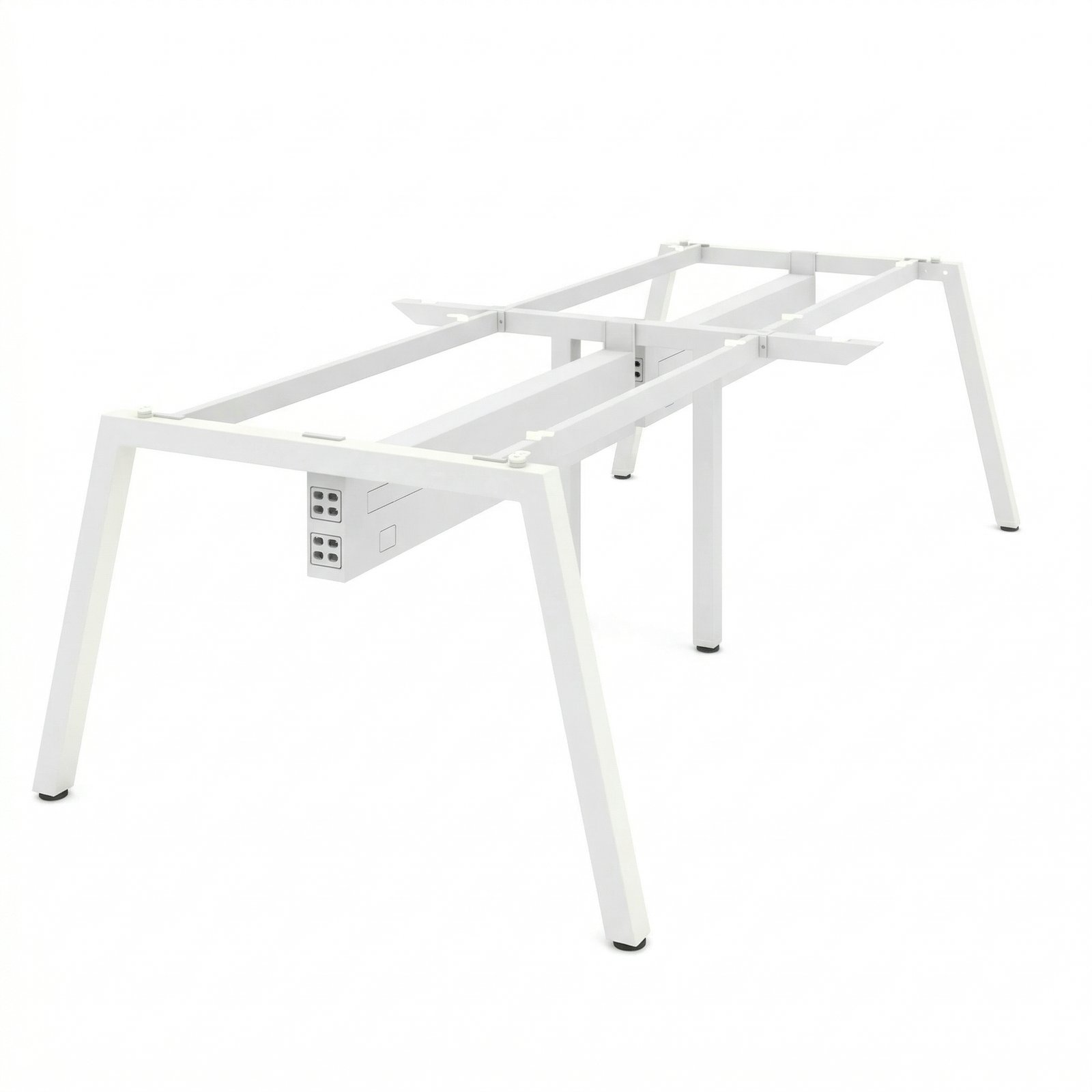
CNC Steel Frames vs Ready-Made Furniture: What Architects and Contractors Should Know
Off-the-shelf furniture is faster to source. A custom CNC-cut steel frame is engineered for your exact floor plan. Here's when each approach actually makes sense.
Read Article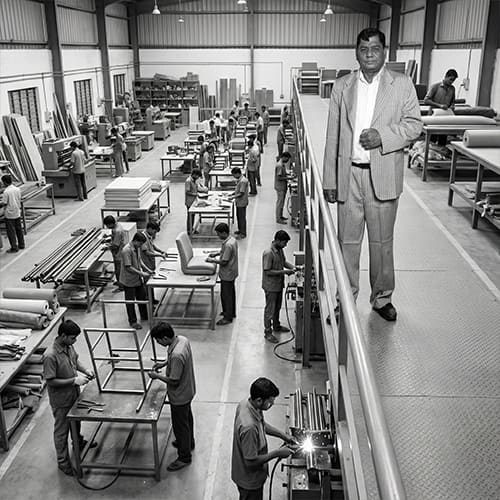 Manufacturing & Quality
22 Jul 2026 · 5 min read
BIFMA, ISO & GREENGUARD Explained: What Furniture Certifications Actually Mean
Certification badges get printed on every furniture brochure. Here's what each one actually tests, and why it should change what you're willing to pay.
Read Article Buying Guides
28 Sept 2026 · 5 min read
Office Relocation Checklist: Planning Furniture Logistics Without Downtime
Moving offices without losing productive days means the furniture plan has to be locked before the moving trucks are booked. Here's the sequence that actually works.
Read Article